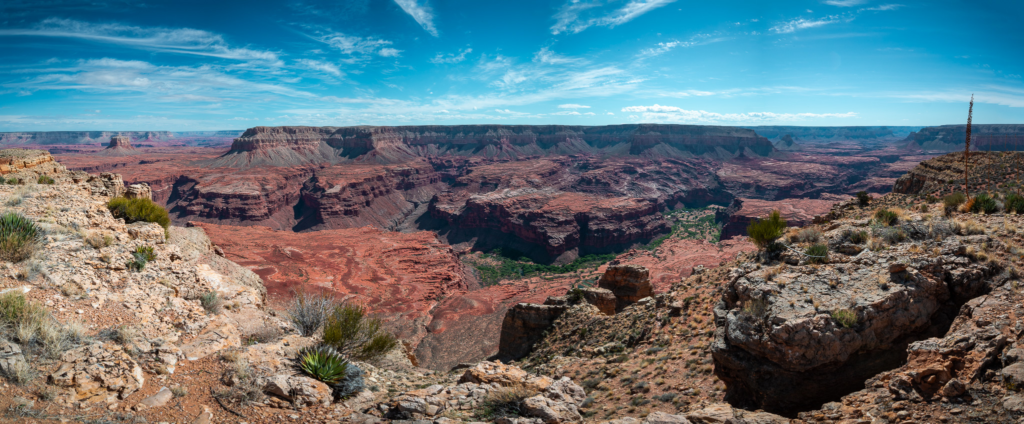


The Most Isolated Tribe in America
Since 2023, ETD, Inc. has been heavily involved in the planning and coordination of the Havasupai Tribe’s Tribal Broadband Connectivity Program (TBCP) project. The purpose of this project is to provide access to high-quality and reliable broadband internet to the underserved and remote community of Havasupai, in Coconino County, Arizona. The Village of Supai is so remote that it is only accessible by foot, horseback, and helicopter.
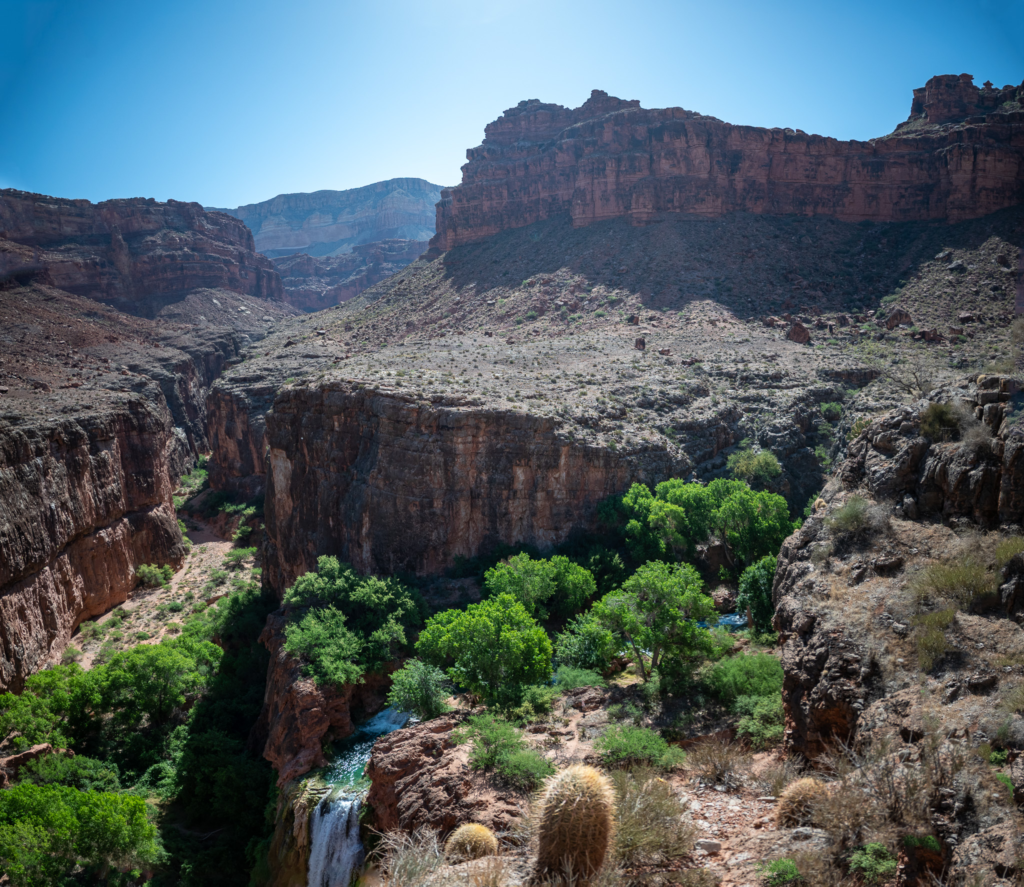
The remoteness of their canyon home has kept the Village fairly isolated and their land untrammeled, both for better and for worse. In the case of telecommunications, the remoteness of Havasu Canyon, the home to Tribal members, is the reason for limited cell phone service and internet connectivity. The only internet access for most people in the Village is at the use of the local computer lab.
Supai Village is the hub of development on the reservation. It contains a K-8 school, tribal offices, a new clinic, a general store, a cafe, a church, a ranger station, and the Havasupai Lodge. In addition, there are about 102 households. The Bureau of Indian Affairs’ Office of Justice Services has a small facility in the Village. Below Supai Village is the popular Havasupai Campground and further downstream is another ranger station near Beaver Falls.
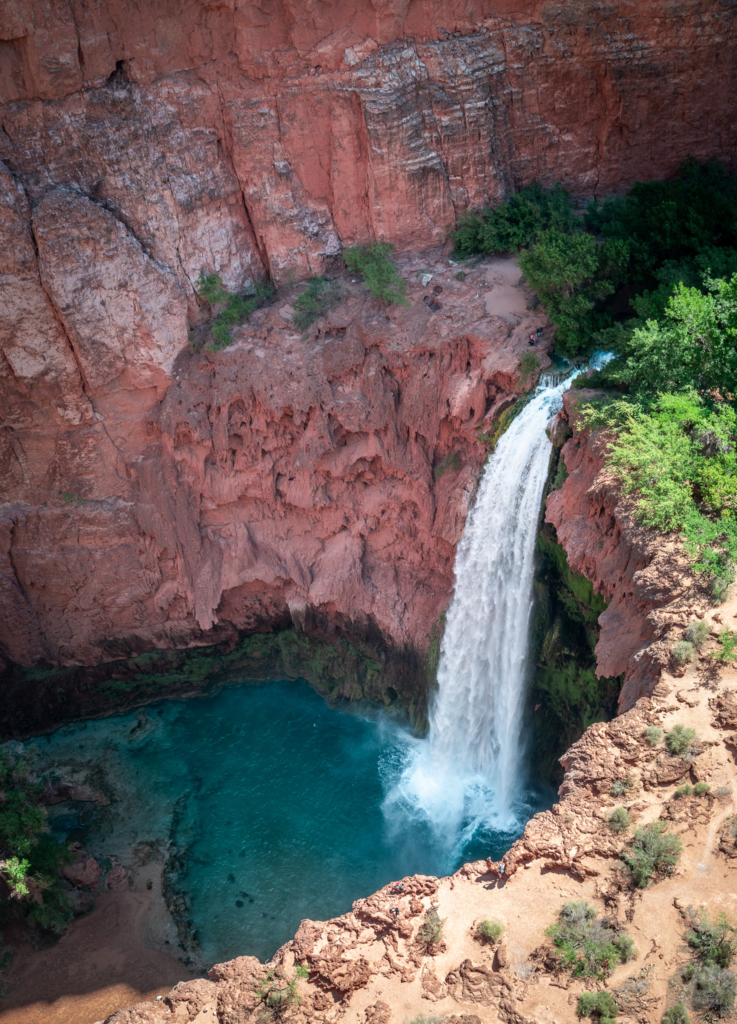
The lack of access to high-speed internet in the village prevents members from opportunities such as emergency services, online education, online business, banking, purchasing of goods, telehealth, and telework, as examples. The lack of telecommunications through the canyon trails also effects emergency aid for residents and tourists who visit Havasupai lands each year; about 30,000 tourists visit the canyon to see the spectacular and unique waterfalls.
The Havasupai Broadband Connectivity Program proposes to bridge the digital connectivity gap by connecting 102 unserved Native American households, commercial operations (hotel, café, ad store), Havasupai Campground, Ranger Stations, and government services such as public safety, education, health care, and schools with qualifying broadband service at speed of 100/20 Mbps for anchor institutions and 50/10 Mbps for residential units. This project will:
- Create new jobs to operate the new network and provide training and workforce development.
- Enhance emergency communication; implement a new network that is fully interoperable with 5G mobile technologies.
- Offer high-speed broadband service to the 30,000 tourists that visit annually.
- Underwrite the cost of broadband service to Tribal members.
ETD’s Role
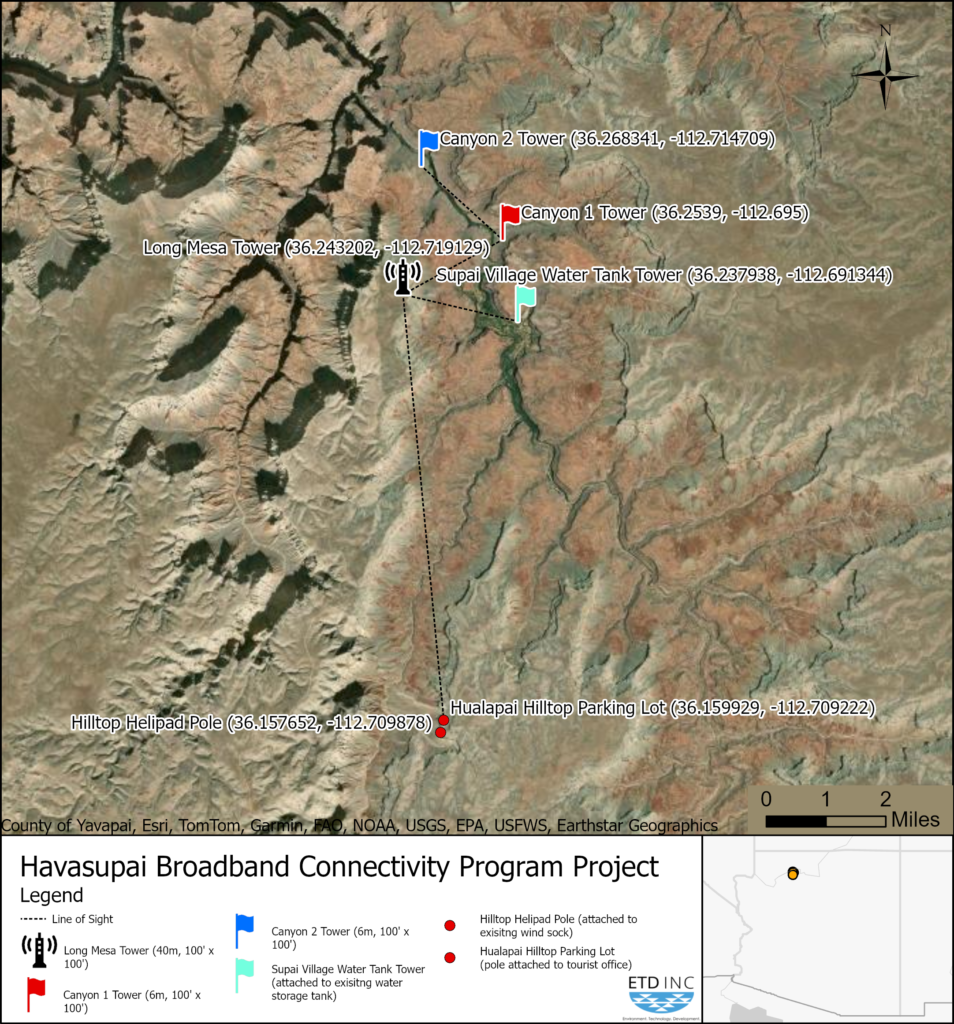
In early stages of the project, a 70-mile fiber optic line from Peach Springs, AZ to Long Mesa was initially proposed. The fiber optic line, which would utilize an expired electric transmission line ROW, was later deemed infeasible following negotiations with the Hualapai Tribe. The project was then split into phases, with the first phase being completed in April, 2026. The goal of this first phase was to construct the 20-foot (~6 meter) tall monopoles in the lower reaches of the Canyon. These towers (Canyon 1 and Canyon 2) would be located in remote areas of Havasu Canyon and would require specialized planning and coordination due to their location within the greater Grand Canyon.
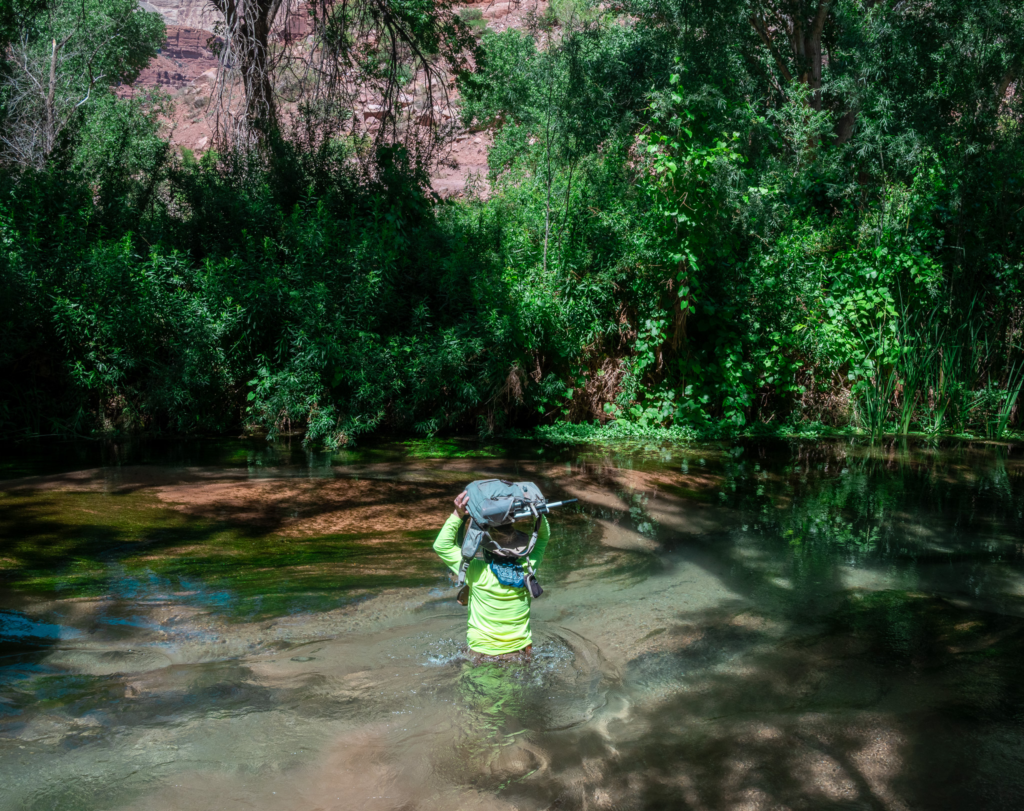
Our team worked closely with the Havasupai Tribe’s TBCP representative to accurately describe the project in consultation with the Arizona State Historic Preservation Officer (SHPO) and the U. S. Fish and Wildlife Service (USFWS) for Section 106 and Section 7 compliance. Additionally, ETD consulted with the Federal Aviation Administration (FAA) to ensure they were properly informed on the towers’ locations, elevations, and emitted frequencies to ensure they would not disrupt the high volume of air traffic in the Supai Village area. It was determined that the project would not result in any significant impacts and was approved by the National Telecommunications and Information Administration (NTIA) in April, 2026. NTIA was the lead federal agency due to their administration of the TBCP grant funding.
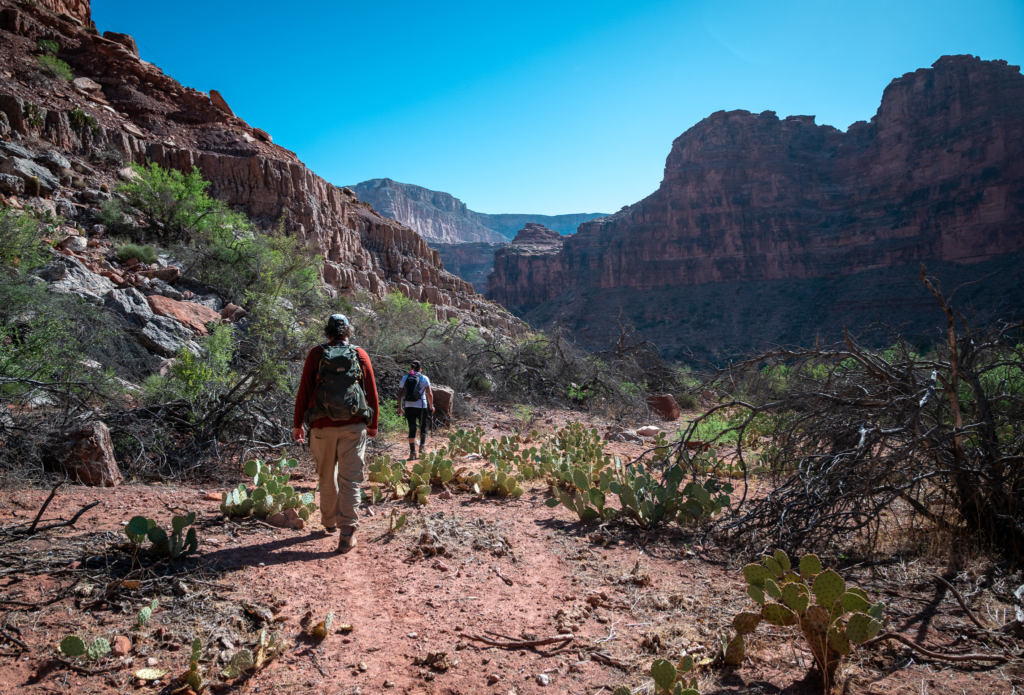
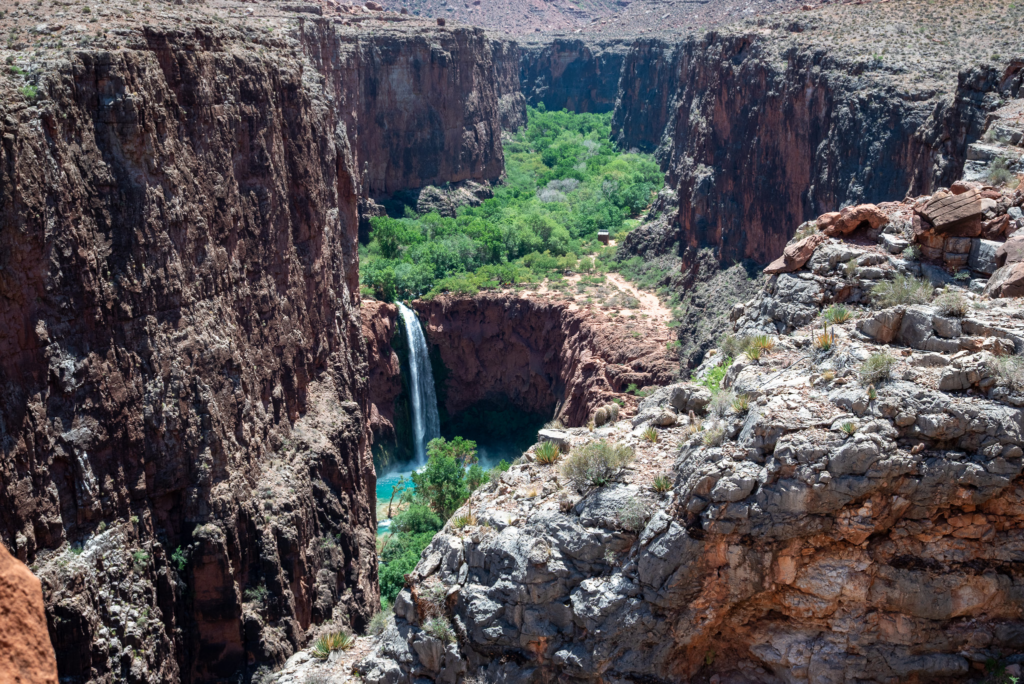
Watch our helicopter flight video journal on YouTube: